What does Kenya safari planning for Bhojpuri speakers cover?
Kenya safari planning for Bhojpuri speakers means sorting out visas, flights, safety, health rules, timing, language, and food, with a focus on what matters most for travelers from Bihar, the Nepal Terai, and Mauritius. This guide covers each step in plain terms, with honest trade offs instead of brochure promises.
Do Indian and Mauritian passport holders need a visa or eTA for Kenya?
As of 2026, Kenya uses an electronic travel authorization, or eTA, for most visitors. Indian and Mauritian passport holders must apply online before flying, and there is no visa on arrival for either passport.
The eTA is not a visa, but a pre-screening approval linked to your passport. Apply on the official Kenya eTA portal, pay a fee, and expect approval within a few days. Apply at least two weeks before your trip.
The eTA is mandatory for Indian and Mauritian passport holders alike, including children and infants. Carry a printed copy and the approval email, and make sure your passport is valid for at least six months from your arrival date, with two blank pages.
Avoid third party agents unless you know they are official, since scams exist. The safest route is the government portal, or your safari operator, and TouringInsights can point you in the right direction at touringinsights.com.
How long is the flight to Kenya from Patna, Varanasi, Lucknow, or Mumbai and Delhi?
There are no direct flights from Patna, Varanasi, or Lucknow to Nairobi. You will connect through Delhi, Mumbai, or a Gulf hub like Dubai or Doha.
From Delhi or Mumbai, a nonstop flight to Nairobi typically takes around 5 to 6 hours. Kenya Airways flies from Mumbai, and Air India also operates on this route.
From Patna or Varanasi, add a domestic leg first, roughly 1.5 hours to Delhi, then the international leg. Total travel time, including layovers, is usually 12 to 16 hours, and Lucknow is similar.
For the Mauritius Bhojpuri diaspora, the route is easier. Air Mauritius flies direct to Nairobi in roughly 4.5 to 5 hours.
Book early, since flights from India fill up fast around school holidays.
Is Kenya safe for Bhojpuri-speaking travelers from Bihar, Nepal Terai, or Mauritius?
Yes, Kenya is safe for tourists who follow normal precautions. Safari areas are well managed, and the main risk is petty theft in Nairobi, not wildlife.
Stay in reputable camps and lodges, which have security guards and controlled access. In Nairobi, avoid walking alone at night and use hotel transport or licensed taxis.
The parks themselves are safe, since you stay in a vehicle with a trained guide, and no one walks in the bush without a ranger.
Kenya has a visible South Asian community, with Indian restaurants in Nairobi and Mombasa, and Mauritius travelers will feel at home with the shared cultural ties.
Avoid political demonstrations in cities. They are rare but can disrupt traffic, so check your home country travel advisory before departure.
What vaccinations are required before traveling to Kenya from India or Mauritius?
Yellow fever vaccination is only required if you arrive from a country with risk of yellow fever transmission. India and Mauritius are not on that list, so travelers flying directly from either country generally do not need the vaccine to enter Kenya. Kenyan officials may still ask to see a certificate if your route passes through a risk country, so carry proof if you have already been vaccinated.
If your itinerary includes a stopover in a risk country, get the vaccine at least 10 days before travel and keep the certificate from an approved clinic.
Other recommended shots include hepatitis A, typhoid, tetanus, and a polio booster. Rabies vaccination is optional but worth considering for close wildlife encounters.
Malaria is present in Kenya, including safari areas, so take antimalarial tablets as prescribed and use insect repellent with DEET. Carry a basic medical kit with antidiarrheal medicine, oral rehydration salts, and personal prescriptions, since remote camps have limited supplies.
For the best prep list, see our Kenya safari packing list.
What is the best time of year for Bhojpuri-speaking travelers to visit Kenya?
The best wildlife viewing is during the dry season, from late June to October. This is also peak tourist season, so prices are higher and camps book out fast.
For Bhojpuri speakers, this window clashes with major festivals. Chhath Puja and Diwali usually fall in October or November, though exact dates move each year with the lunar calendar.
To avoid the crowds and a festival clash, consider January or February instead, a quieter, often cheaper season with dry weather and short grass.
The long rains run from March to May. Most camps close or offer low season rates, and thick bush with muddy roads makes it less ideal for first timers.
If Chhath Puja is non negotiable, plan a November trip instead. The short rains begin, but wildlife viewing remains good. For an honest trade off, our best time to visit Kenya guide for Bengali speakers explains the same seasonal logic in more detail.
Are Hindi or Bhojpuri understanding guides available on safari?
Yes, but you must request them in advance. Most guides speak English and Swahili, though Hindi speaking guides are available in the major parks, especially Masai Mara and Amboseli.
Bhojpuri specific guides are rare, but a Hindi speaking guide will mostly understand Bhojpuri, since the languages are close. For pure Bhojpuri, ask your operator to find a guide from the local Indian community.
Small camps may only have English speaking staff, while larger lodges with Indian clientele often have Hindi speaking managers. For Mauritius travelers, French and Creole are more common than Hindi, and many Kenyan guides speak French.
Tell your operator your language needs when you book, in advance if possible. For a broader language specific guide, read our Kenya safari planning guide for Hindi speakers.
Is vegetarian or Purvanchali style food available at safari camps?
Yes, vegetarian food is standard at most Kenya safari camps. You will get plenty of rice, dal, vegetables, and chapati.
Purvanchali dishes like litti chokha or sattu paratha are not common at camps, though Nairobi has Indian restaurants that serve them. If you want home style food, tell the camp in advance, since many can prepare simple vegetarian meals without onion or garlic, also known as jain style.
Breakfast is usually continental or full English, and lunch and dinner often feature grilled meat, but a vegetarian option is always available.
For Mauritius travelers, Creole cuisine is available in Nairobi, with dholl puri, curry, and roti, though camp food leans more international. Do not carry fresh food into Kenya, since agriculture rules are strict.
Which park is best for first timers: Masai Mara, Amboseli, or Tsavo?
For a first safari, Masai Mara is the best choice, with the highest density of big cats, the famous wildebeest migration, and open grassland for easier spotting.
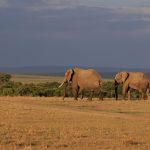
Amboseli is the top choice for elephant views, with Kilimanjaro as a backdrop and a smaller park where drives feel relaxed.
Tsavo is the largest park, split into East and West. It is wild and less crowded, but thicker bush makes animals harder to spot on a first trip.
Here is a simple comparison for first timers:
| Feature | Masai Mara | Amboseli | Tsavo (East and West) |
|---|---|---|---|
| Best for | Big cats, migration | Elephants, mountain views | Wild, remote adventure |
| Crowd level | High in peak season | Moderate | Low |
| Wildlife density | Very high | High | Medium |
| Typical stay | 3 to 4 nights | 2 to 3 nights | 2 to 3 nights |
| Safari vehicle quality | Excellent | Good | Good to mixed |
| Indicative camp price per night | USD 400 to 900 | USD 250 to 600 | USD 150 to 400 |
Prices are indicative per person for full board at a mid range to luxury camp, and vary by season and camp standard. For a deeper park comparison, read our Masai Mara vs Amboseli guide.
What are the honest trade-offs of chasing the Great Migration river crossings?
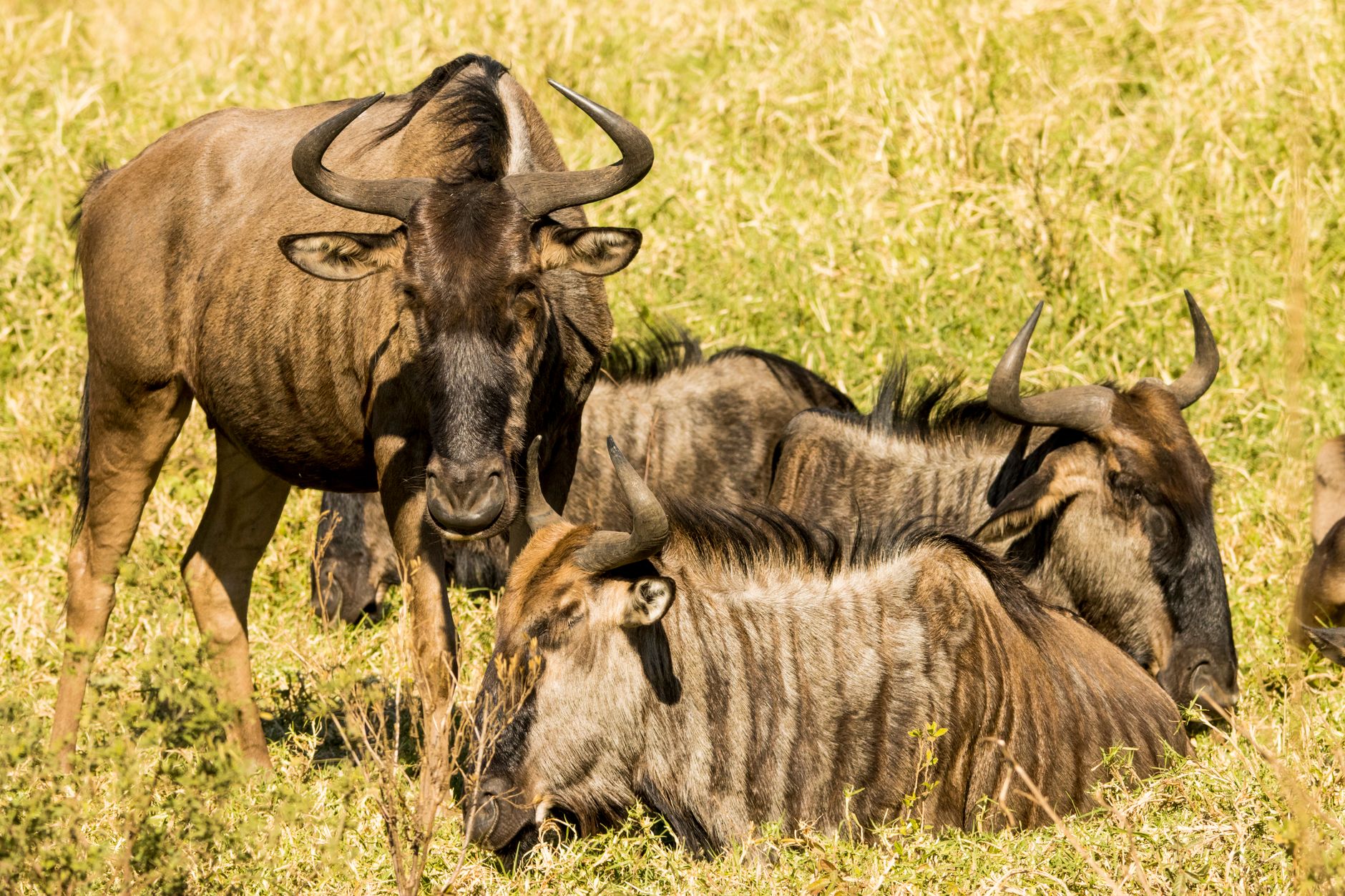
The Great Migration is a movement of roughly 1.5 million wildebeest between Tanzania and Kenya. The famous river crossings in the Mara happen from July to October, but they are not guaranteed. You can sit at a river for hours and see nothing, since the herds cross when they decide.
The trade off is simple: you pay high season prices for a chance, not a certainty. You will see wildebeest in vast numbers, but the dramatic crocodile attack crossings are luck. For the most reliable wildlife experience, focus on the resident herds of the Mara, which has year round lion, leopard, elephant, and buffalo. The migration is a bonus, not the main event.
For the best months to catch a crossing, read our best time to visit Masai Mara guide.
Which conservancies are better alternatives to the crowded Masai Mara reserve?
The Masai Mara National Reserve is busy. In peak season, you may share a leopard sighting with several other vehicles.
The private conservancies next to the reserve offer a better experience. Naboisho and Olare Motorogi are two well known options, and both limit vehicles per sighting. Naboisho is known for lion density and walking safaris, while Olare Motorogi is smaller with strict vehicle rules.
The trade off is price. Conservancy camps cost more than reserve camps, often 30 to 50 percent more, since you are paying for exclusivity.
Night drives are allowed in conservancies but banned in the reserve, so you can see nocturnal animals like aardvark and serval.
Is Kenya or Tanzania the better first safari destination?
Both are excellent. Kenya is usually easier for first timers because of the Masai Mara, with better infrastructure and shorter game drives.
Tanzania has the massive Serengeti and the unique Ngorongoro Crater, but distances between parks are longer, so you spend more time in the vehicle.
For Bhojpuri speakers from India, Kenya has more flights and a larger South Asian community, with more varied food in Nairobi. For Mauritius travelers, Kenya has a direct flight, which Tanzania lacks, making Kenya the practical first choice.
With 10 days or more, you could combine both countries, though a single focused trip is usually easier for a first safari.
What common mistakes do South Asian and Mauritian travelers make on safari?
A few mistakes come up again and again for this group of travelers:
- Overpacking. Safari is casual, so pack neutral colors like khaki, olive, and beige, and skip bright colors that spook animals.
- Leaving the eTA to the last minute, since delays happen.
- Assuming a Hindi speaking guide will be available on arrival, instead of booking one in advance.
- Skipping malaria tablets or taking them inconsistently.
- Expecting luxury everywhere. Some camps have no WiFi or phone signal.
- Planning too many parks in too few days. Driving from Masai Mara to Amboseli takes a full day.
- Not carrying small denomination cash for tips.
Where can I compare and book a Kenya safari suited to Bhojpuri speaking travelers?
The next step is matching a safari to your dates, budget, and language needs. Compare safari operators to find one that offers Hindi or French speaking guides and reliable vegetarian meals.
For a Punjabi perspective on the same planning steps, see our Masai Mara travel guide for Punjabi speakers.
To browse vetted packages and compare operators, visit FindMySafari, Valley Safaris, or Trunktrails Safaris.
Where can I find more safari planning resources?
- Masai Mara Great Migration guide from Trunktrails Safaris
- Best time to visit Kenya month-by-month map from Valley Safaris
- Masai Mara destination guide on FindMySafari
- Kenya wildlife tours from Trunktrails Safaris